Juicing at Home: Cozy, Beginner-Friendly Juice Recipes (Without the Gimmicks)
Juicing at home doesn’t have to mean complicated cleanses, mysterious powders, or a fridge full of produce you forget about by Wednesday.
This page is my all-in-one juicing hub — the recipes I actually make, the juicer I use, and the small tips I wish I knew when I started. No detox promises. Just good juice that fits into real life.
If you’re brand new, slightly curious, or just want a few reliable go-to juices you’ll actually enjoy, you’re in the right place.
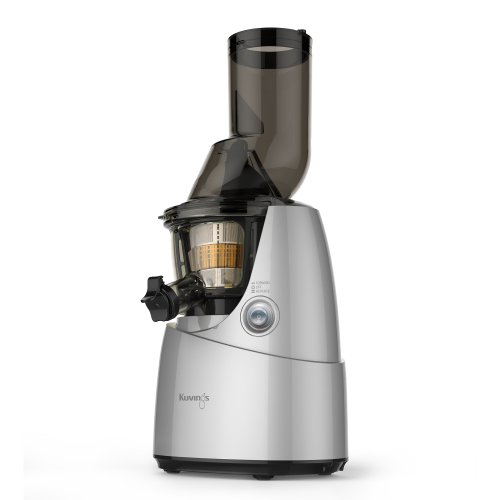
If you’re wondering what you actually need (and what you don’t), this is the exact setup I use every week:
As an Amazon Associate, I earn from qualifying purchases.


Start Here: My Easiest Beginner Juice
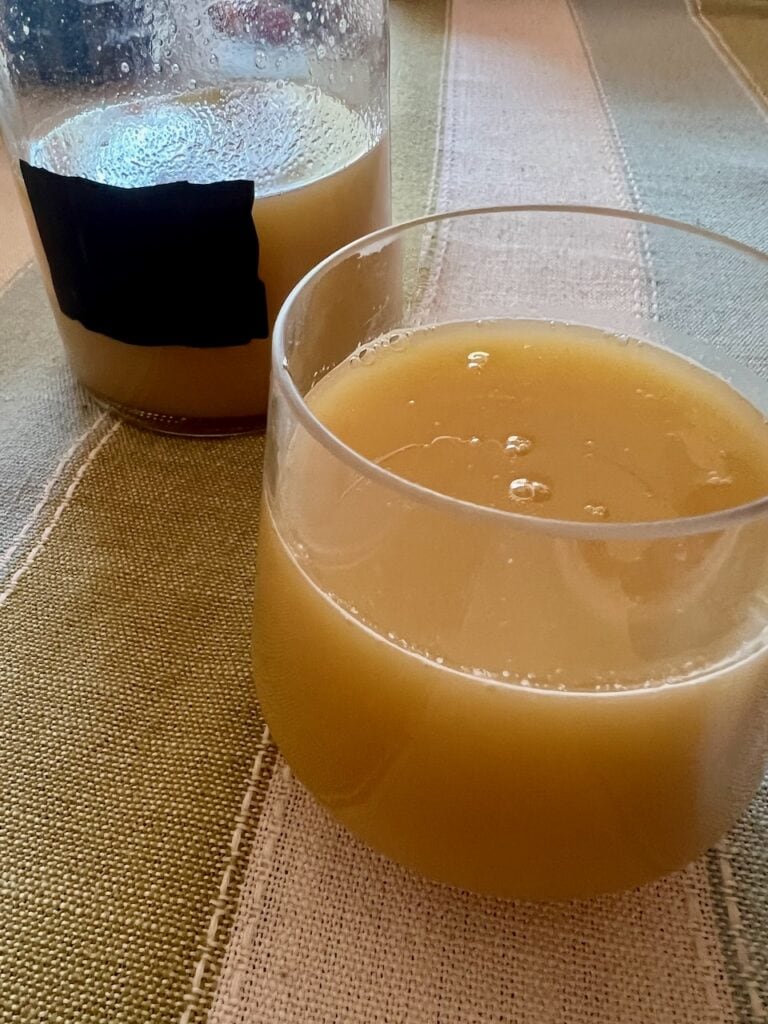
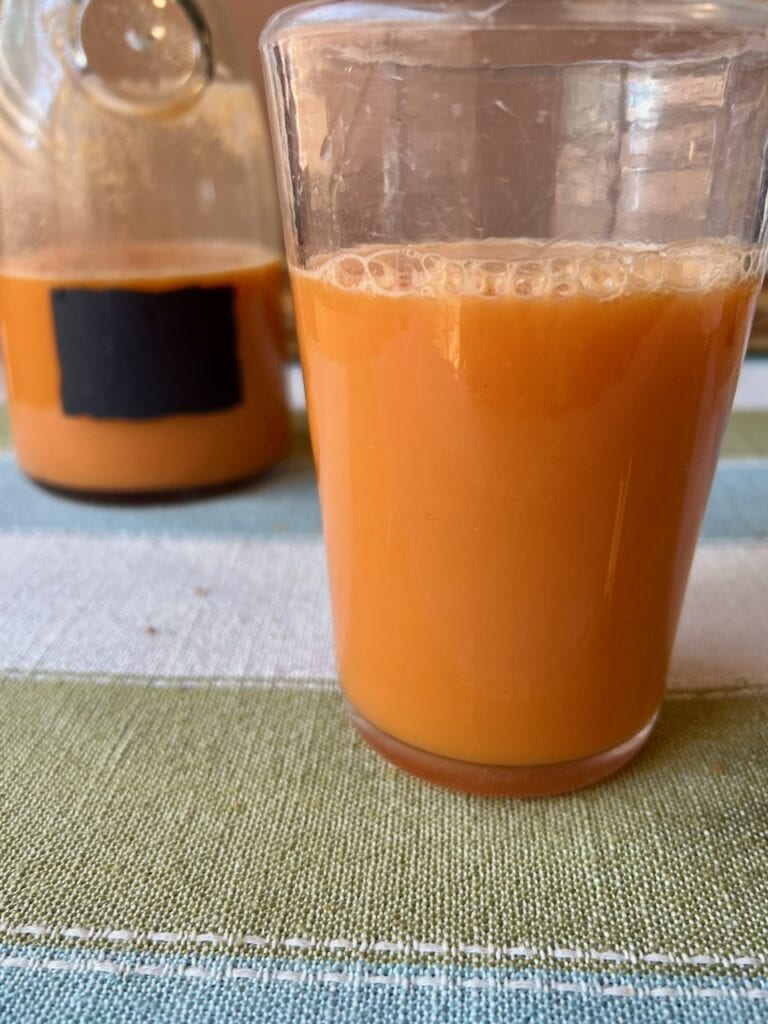
If you’re making your very first homemade juice, start here. It’s naturally sweet from the apple and carrot, brightened with lemon, and just a little fresh ginger. It’s simple, refreshing, and a great introduction to homemade juice.
If you try one thing from this page, make this:
- Apple
- Carrot
- Lemon
- Ginger
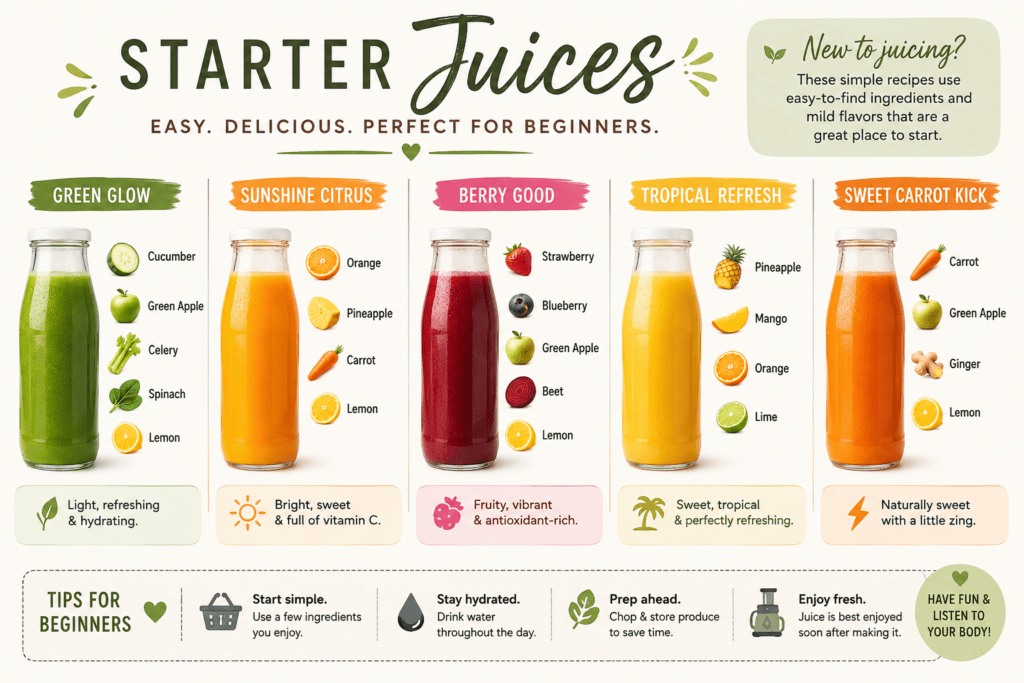

New to juicing? These beginner juice recipes are made with simple ingredients, naturally sweet flavors, and easy combinations that make homemade juice approachable from the very first glass.
What You’ll Find on This Page
- Beginner-friendly juice recipes (sweet, green, and cozy)
- Fall-inspired juices that taste like comfort food
- Simple swaps so you don’t have to buy everything
- What to do with leftover pulp (because waste hurts my soul)
- Storage tips + common juicing questions
Recipe Index
- Everyday & Beginner Juice Recipes
- Spring & Summer Juices
- Cozy Juices
New to Juicing? Start Here
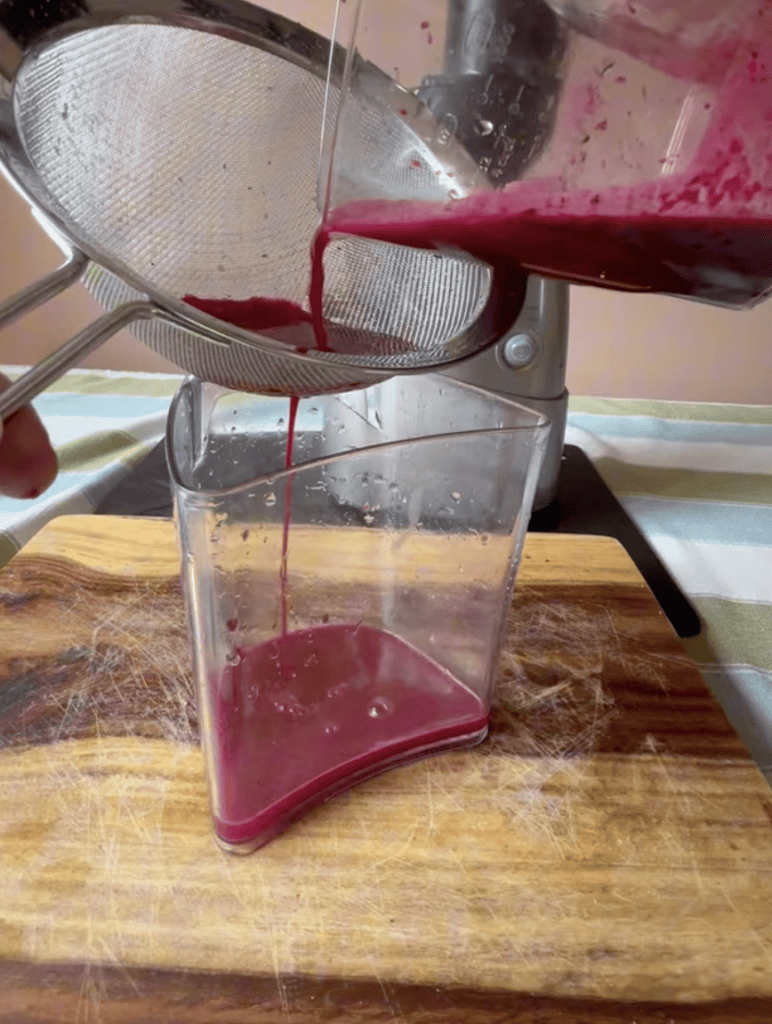
Buying a juicer is the easy part. Figuring out what actually works in real life takes a little trial and error. Before you start filling your refrigerator with produce, check out my post on 6 Beginner Juicing Mistakes I Made So You Don’t Have To, where I share some of the surprises I ran into, including making way more juice than expected, wasting pulp, and why I eventually started double-straining certain recipes.
Best Fruits for Beginner Juicing
If you are new to juicing, start with fruits that are naturally sweet, high in juice, and easy to pair with vegetables. This helps your juices taste balanced instead of accidentally creating what can only be described as “yard clippings in a cup.”
Some of the easiest beginner-friendly fruits are:
Apples
Apples are one of the best base ingredients for beginner juice recipes because they add sweetness without overpowering everything else. They pair well with carrots, cucumber, lemon, spinach, and ginger.
Oranges
Oranges make homemade juice feel instantly brighter and fresher. I usually peel them first to avoid bitterness from the rind. They work especially well with carrot, pineapple, or strawberry juice blends.
Grapes
Grapes can naturally sweeten juices without needing extra ingredients. They work well with apples, berries, lemon, and mild greens.
Pears
Pears are softer and slightly less acidic than apples, which makes them a great option if you want a smoother, mellow flavor.
Watermelon
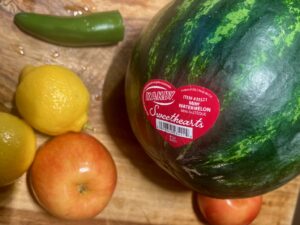
Watermelon is incredibly hydrating and produces a lot of juice. It pairs well with mint, lime, cucumber, and strawberry for easy summer juice combinations.
Yes! Watermelon works very well in a slow juicer. The key is to cut it into small chunks and feed it gradually into the chute. Since watermelon is a soft fruit, adding a firmer ingredient such as apple, cucumber, or celery can help move everything through the juicer more efficiently. Here is my sweet & spicy juice watermelon recipe.
How to Juice Watermelon
- Wash the outside of the watermelon.
- Remove the rind.
- Cut the flesh into 1–2 inch cubes.
- Remove any large black seeds if needed.
- Feed the watermelon into the juicer a few pieces at a time.
- Shake or stir before serving if the juice begins to separate.
If you are completely new to juicing, starting with more fruit-forward recipes can make the habit easier to stick with long term.
Everyday & Beginner Juice Recipes
These are my low-effort, repeatable juices — nothing fancy, just solid flavors that don’t scare you off juicing forever.
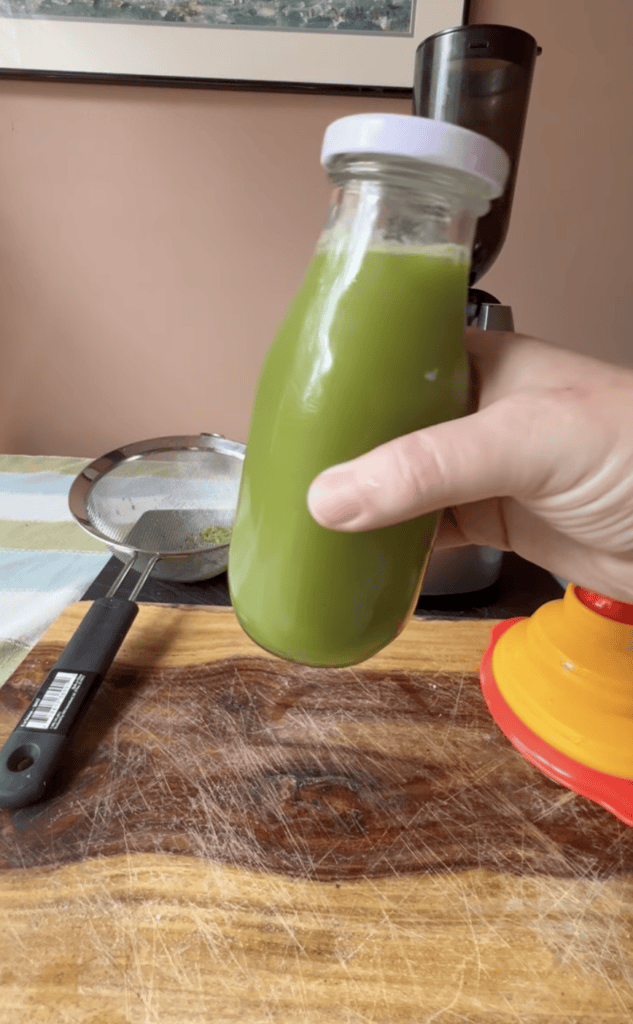
Minty Green Glow Juice
Tastes like: fresh, clean, lightly sweet
Great for: easing into green juice without regret
Ingredients
- Cucumber
- Green apple
- Celery
- Fresh mint
- Lemon (peeled)
Notes
- Mint makes green juice feel refreshing instead of grassy
- Swap green apple for pear if that’s what you have
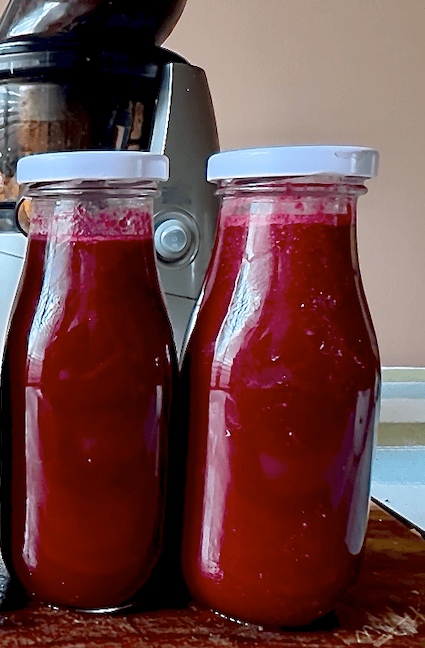
Tropical Beet Glow Juice
I make this the most
Tastes like: earthy-sweet with a tropical finish
Great for: when you want something bold but balanced
Ingredients
- Raw beet
- Pineapple
- Orange (peeled)
- Ginger (optional but recommended)
Notes
- Start with half a beet if you’re new to beet juice
- Pineapple cuts the earthiness beautifully
This post contains affiliate links. As an Amazon Associate, I earn from qualifying purchases.
🍏🍐 6 Simple Juice Recipes (Apple, Pear & Lemon Base)
Sometimes the best juice recipes are the simplest ones.
This apple, pear, and lemon combination is one I keep coming back to—it’s naturally sweet, easy to make, and works as a base for so many variations.
If you’re just getting into juicing (or want something that actually tastes good every time), these are some of the easiest combinations to start with.
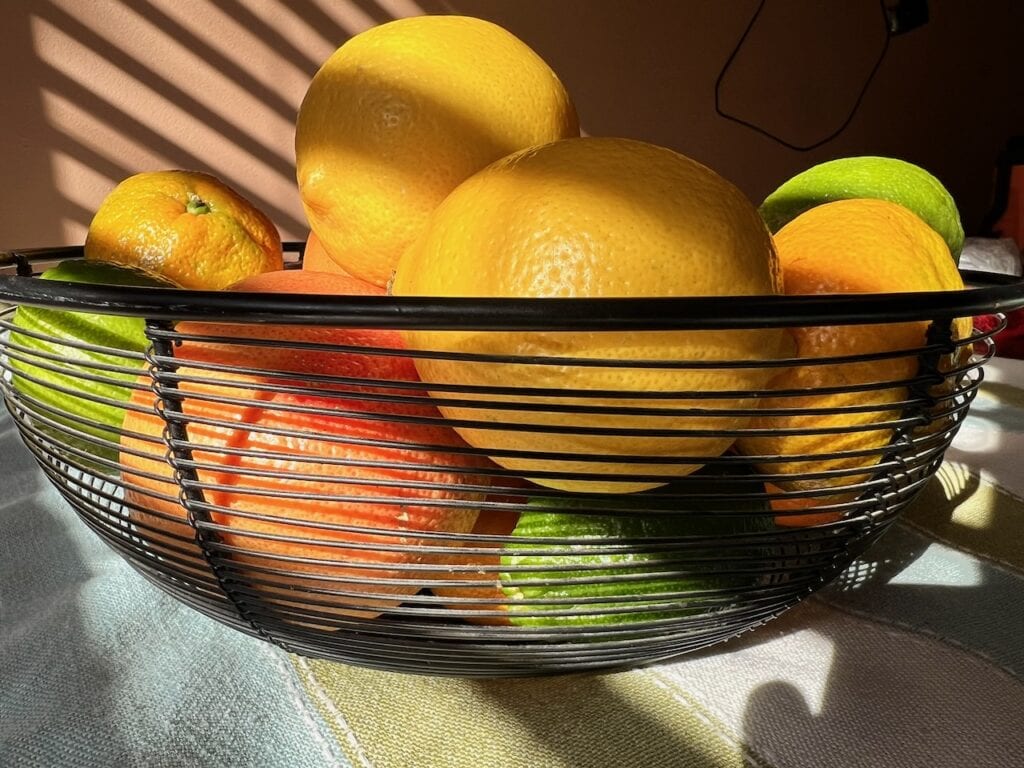
Crisp Pear Refresher
Ingredients:
- 2 apples
- 1 pear
- ½ lemon
Taste:
Light, smooth, slightly sweet with a clean citrus finish
👉 Your baseline “this always works” juice
Apple Pear Ginger Boost
Ingredients:
- 2 apples
- 1 pear
- ½ lemon
- small piece of ginger
Why it works:
Ginger adds just enough warmth without overpowering
Taste:
Fresh, slightly spicy, energizing
Hydrating Green Pear Juice
Ingredients:
- 2 apples
- 1 pear
- ½ lemon
- ½ cucumber
Why it works:
Cucumber makes it lighter and more refreshing
Taste:
Cool, crisp, super hydrating
👉 perfect summer juice
Minty Pear Cooler
Ingredients:
- 2 apples
- 1 pear
- ½ lemon
- a handful of mint
Why it works:
Mint gives it that “spa water” feel
Taste:
Bright, cooling, refreshing
Apple Pear Carrot Glow
Ingredients:
- 2 apples
- 1 pear
- ½ lemon
- 2 carrots
Why it works:
Carrot adds natural sweetness + a little depth
Taste:
Slightly richer, smooth, lightly sweet
Tropical Pear Twist
Ingredients:
- 1 apple
- 1 pear
- ½ lemon
- 1 cup pineapple
Why it works:
Pineapple brightens everything and adds a tropical note
Taste:
Sweet, juicy, and vibrant
Spring & Summer Juices I Actually Make on Repeat
When the weather starts warming up, I don’t want anything heavy or complicated — I just want something cold, fresh, and easy to throw together.
These are the juices I keep coming back to this time of year. They’re simple, don’t require a million ingredients, and actually taste good (which… matters more than anything).
🌸 Golden Hour Glow
Light, refreshing, and slightly citrusy — perfect late afternoon drink
Ingredients:
- Orange
- Pineapple
- Carrot
- Lemon
Why it works:
Sweet + bright with a little earthiness from the carrot. Easy first juice.
🍓 Strawberry Garden Refresher
Tastes like a summer picnic
Ingredients:
- Strawberries
- Apple
- Cucumber
- Mint
Why it works:
Hydrating, slightly sweet, and super fresh — great for hot days.
🍉 Watermelon Breeze
The easiest “I just want something cold” juice
Ingredients:
- Watermelon
- Lime
- Cucumber
Why it works:
Super hydrating and light — almost like a natural sports drink.
🍑 Peachy Morning Reset
Soft, cozy, and a little creamy-feeling (without dairy)
Ingredients:
- Peach
- Apple
- Carrot
- Ginger
Why it works:
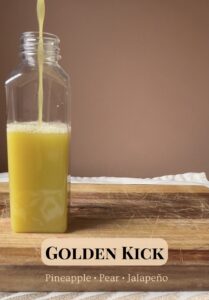
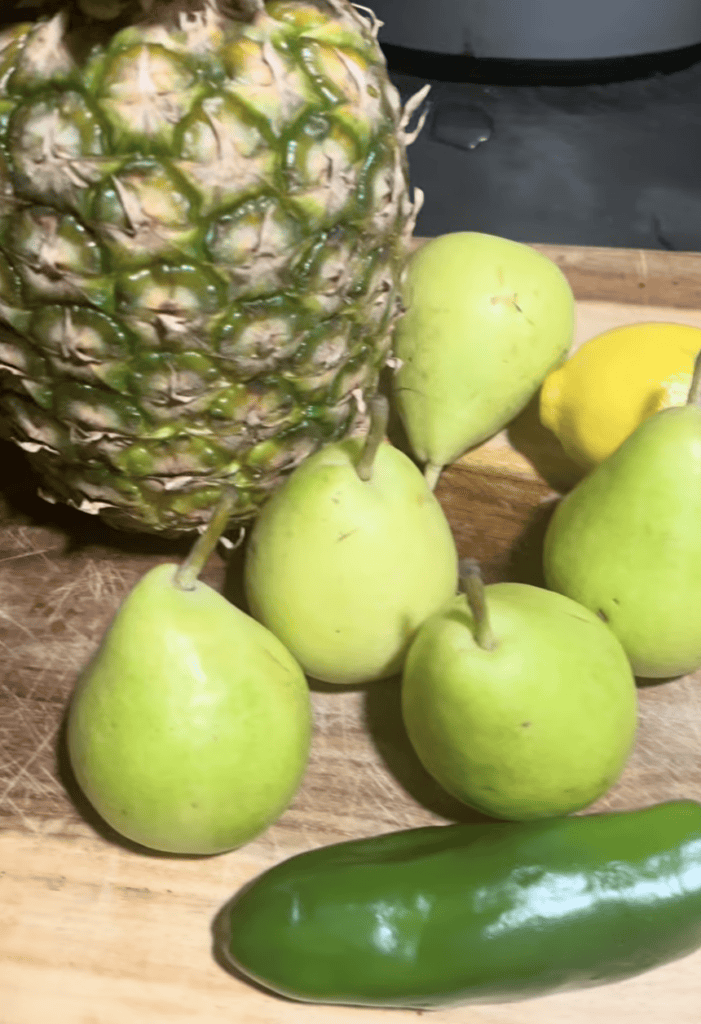
Golden Kick
Balanced sweetness with a little kick from jalapeño — great morning juice.
- Pineapple
- Pear
- Jalapeño
🌿 Continue Your Juicing Journey
Whether you’re just getting started or looking for your next recipe, here are a few more resources you might enjoy.
Cozy Fall Juice Recipes
These are the juices that made me realize juicing could feel warm, seasonal, and comforting, even without actual heat.
Apple Pie Juice
Tastes like: apple cider vibes without the stove
Ingredients
- Apples
- Carrots
- Lemon (peeled)
- Cinnamon (sprinkled in after juicing)
Notes
- Cinnamon goes in the glass, not the juicer
- Honeycrisp or Fuji apples work great
Carrot Spice Glow
Tastes like: cozy, lightly spiced, naturally sweet
Ingredients
- Carrots
- Orange (peeled)
- Ginger
- Optional pinch of cinnamon
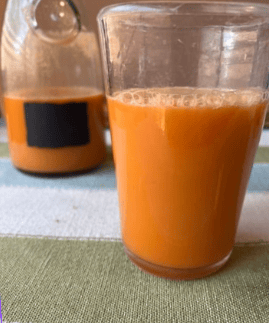
Sweet Potato Cider Juice – Surprise hit
Tastes like: fall in a mug, surprisingly smooth
Ingredients
- Raw sweet potato (scrubbed well)
- Apples
- Lemon (peeled)
Notes
- Yes, raw sweet potato can be juiced in a slow juicer
- Start small if it’s your first time
Pear Cranberry Zing
Tastes like: bright, tart, and refreshing
Ingredients
- Pears
- Fresh cranberries
- Apple (for balance)
Notes
- Cranberries are intense — pears soften the edge
Greens & Gold Juice
Tastes like: clean with a warm citrus note
Ingredients
- Kale or spinach
- Pineapple
- Orange (peeled)
- Ginger
🧃 Beet Juice Recipes That Actually Taste Good
I’ll be honest—beet juice is one of those things that sounds healthy… but not necessarily enjoyable. It has that earthy, strong flavor that can go very wrong, very fast. But when you balance it the right way?
👉 It becomes one of the most satisfying, slightly sweet, and surprisingly refreshing juices you can make. These are the beet juice combinations I keep coming back to—the ones that don’t taste like a health experiment.
❤️ Ruby Reboot
Ingredients:
- Beet
- Orange
- Apple
- Carrot
Why it works:
The orange and apple brighten everything, while carrot adds a natural sweetness that smooths out the beet.
Taste:
Sweet, citrusy, and the easiest beet juice to start with
🍓 Berry Beet Delight
Ingredients:
- Beet
- Strawberries
- Apple
- Lemon
Why it works:
The berries completely transform the flavor, making it feel more like a fruit juice than a vegetable one.
Taste:
Fruity, lightly sweet, and surprisingly addictive
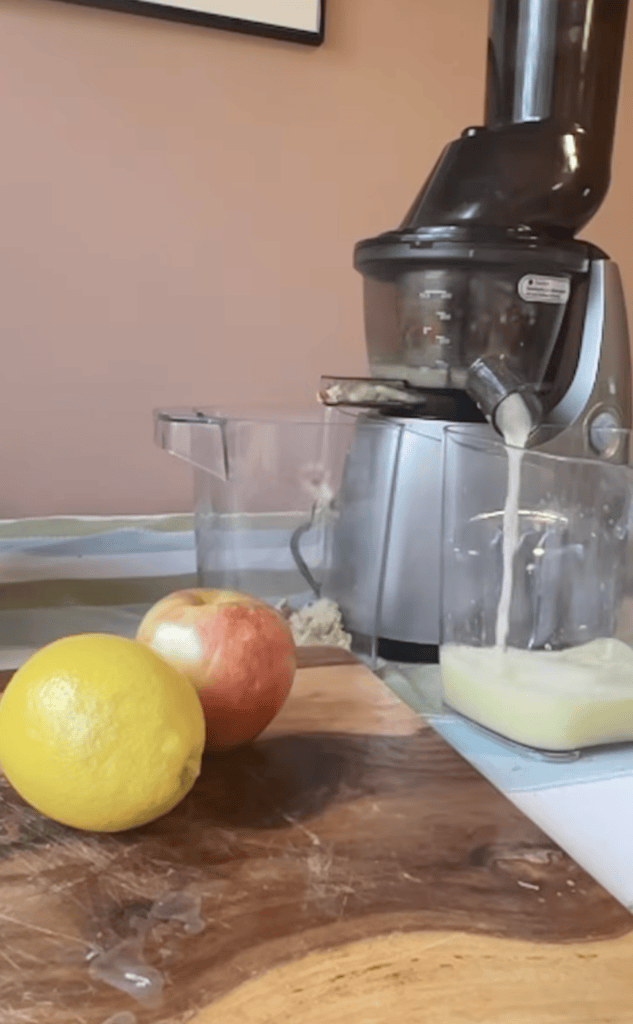
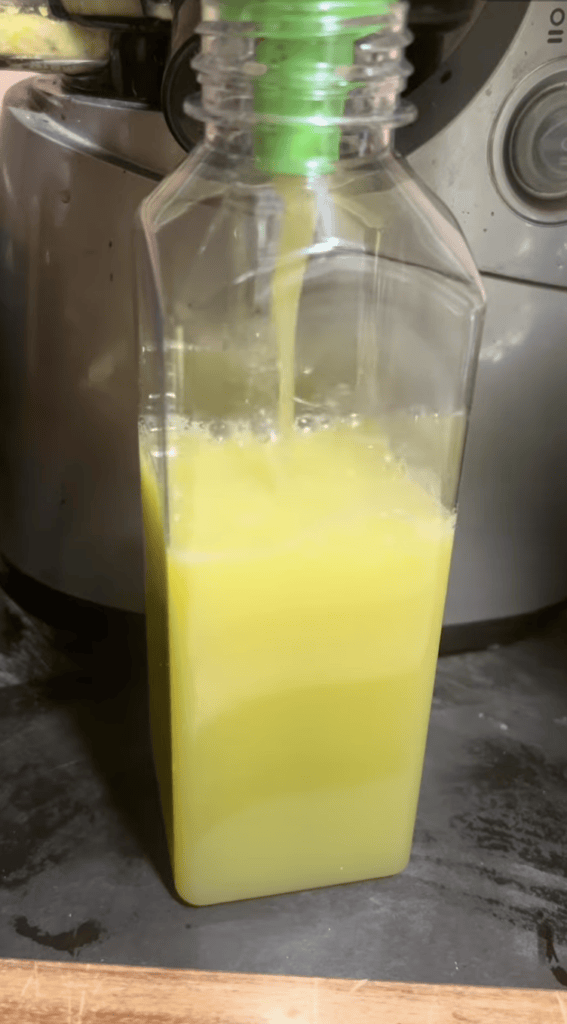
🍍 Tropical Beet Zing
Ingredients:
- Beet
- Pineapple
- Orange
- Ginger
Why it works:
Pineapple brings that tropical sweetness, while ginger adds just enough kick to keep it interesting.
Taste:
Bright, slightly spicy, like a tropical vacation in a glass
🌿 Ginger Beet Refresh
Ingredients:
- Beet
- Cucumber
- Apple
- Ginger
- Lime
Why it works:
Cucumber lightens the beet, apple softens it, and ginger + lime give it a fresh, clean finish.
Taste:
Cool, slightly sweet, with a ginger kick that lingers
💡 Quick Tip for Beet Juice (This Helps A LOT)
If you’re new to beet juice, here’s the trick:
👉 Always pair beets with something sweet + something bright
That means:
- sweet → apple, orange, pineapple
- bright → lemon or lime
This is what keeps it from tasting too earthy or overpowering.
🧃 When to Drink Beet Juice
Beet juice is one of those juices that actually feels like it’s doing something.
It’s great for:
- mornings when you want something energizing
- mid-day resets
- or when you just want something different from typical fruit juices
🎭 Mardi Gras–Inspired Juice Recipes
Bright, citrus-forward juices inspired by parade season — refreshing, colorful, and easy to batch when your fridge is already full of king cake.
💜 Purple Reign Juice
A deep purple juice inspired by classic Mardi Gras colors.
- Purple grapes
- Blueberries
- Apple
- Lemon
Sweet, vibrant, and rich in antioxidants.
💚 Green King Juice
A fresh, slightly earthy juice that feels grounding and clean.
- Green apple
- Cucumber
- Kale or spinach
- Lemon
Crisp and refreshing, especially after heavier meals.
💛 Golden Parade Juice
Bright, citrus-forward, and sunny.
- Pineapple
- Orange
- Carrot
- Ginger (optional)
Lightly sweet with a warming finish.
🎭 King Cake–Inspired Juice (Light & Fresh)
A subtle nod to classic flavors without being dessert-heavy.
- Apple
- Pear
- Lemon
- Cinnamon (pinch, optional)
Warm, comforting, and great for cooler mornings.
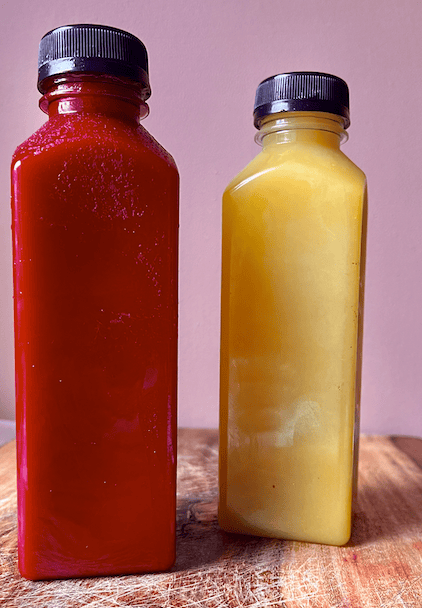
Purple Citrus Beet Juice
Tastes like: bold, slightly earthy, vibrant
Ingredients:
- Beet
- Orange (peeled)
- Apple
Notes:
- The color alone makes this feel festive
🎭 These recipes were originally part of my Mardi Gras juicing post, where I share how I batch juice during parade season.
Mardi Gras–Inspired Glass Rims (For Juices, Mocktails, or Cocktails)
One easy way to make juices or drinks feel festive for Mardi Gras is by using rimming sugars or salts. They add color, texture, and a little extra fun — no alcohol required.
These also work just as well on:
- Fresh juices
- Sparkling water
- Mocktails
- Classic cocktails
- I love using bold, colorful rimmers that match Mardi Gras vibes without overpowering the drink.
👉 See my favorite cocktail rimming sugars & salts here
Batch Shopping List (Mix & Match)
If you want to make multiple juices without overthinking it:
Produce staples
- Apples
- Oranges
- Lemons
- Ginger
- Carrots
Greens
- Kale or spinach
- Celery
- Cucumber
Seasonal Add-Ons (Mardi Gras)
- Extra oranges
- Pineapple
- Beets
Flavor add-ins
- Mint
- Pineapple
- Beets
- Pears
- Cranberries
- Sweet potato
Juicer Notes (What I Use)
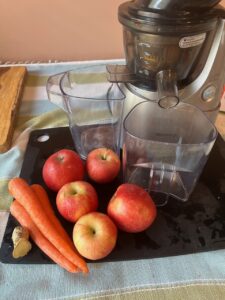
I use a slow juicer for most of my everyday juicing, mainly because it’s versatile and fits the way I like to prep. It handles harder produce like beets and sweet potatoes well, produces drier pulp, and tends to be quieter and less chaotic in the kitchen.
That said, it’s not the only way to juice — and it’s definitely not required to get started.
If you’re using a centrifugal juicer, you can absolutely make great juice with it. A few small adjustments help:
- Cut produce into smaller pieces
- Alternate soft and hard ingredients while juicing
- Drink the juice sooner rather than later for the best flavor and freshness
Juicing isn’t about having the “right” equipment. It’s about using what you have and finding a routine that works for you.
My Juicers
This post contains affiliate links. As an Amazon Associate, I earn from qualifying purchases.

As an Amazon Associate, I earn from qualifying purchases.
You Don’t Need a Fancy Juicer to Start
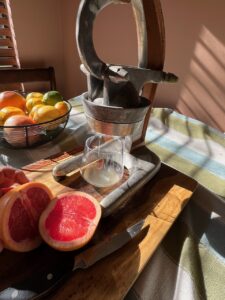
You don’t need a high-end machine or a perfectly curated setup to start juicing at home. Some of my favorite juices are made with the simplest tools — including a manual citrus juicer I’ve had for years.
Manual juicers are inexpensive, easy to clean, and great for everyday juices like fresh orange, grapefruit, or lemon. They’re perfect if you’re just getting started, short on counter space, or simply enjoy a slower, hands-on routine in the kitchen.
👉 This is similar to the manual juicer I use

If you do have a slow juicer, that’s great too — it opens the door to greens, beets, carrots, and more. But it’s not a requirement. Juicing doesn’t have to be all-or-nothing. You can mix methods, use what you have, and add tools over time if it makes sense for you.
The goal isn’t perfection — it’s finding a rhythm that fits your real life.
What to Do With Juice Pulp
(Please Don’t Toss It)
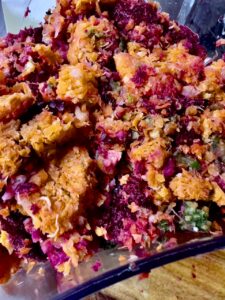
Juicing creates pulp — it’s inevitable, but it doesn’t have to be waste.
Some easy uses:
- Add veggie pulp to soups or stews
- Mix fruit pulp into muffins or quick breads
- Stir into oatmeal or yogurt
- Freeze in small portions for later cooking
👉 I keep a full list of ideas here: How I Use Leftover Juice Pulp
🧃 What Needs to Be Peeled or Seeded Before Juicing?
If you’re new to juicing, here’s the simple version:
⚠️ Always Remove Seeds or Pits
- Apples (remove core/seeds)
- Peaches, plums, cherries, nectarines, apricots (remove pits)
- Citrus fruits (remove seeds for better taste)
⚠️ Always Peel
- Pineapple (skin is too tough)
- Mango (skin can be irritating for some)
⚠️ Skip or Use Carefully
- Banana (doesn’t juice well—better for smoothies)
- Rhubarb (stalk only, leaves are toxic)
- Raw potatoes (not beginner-friendly)
💡 The Easy Rule
If it’s hard, bitter, or not something you’d normally eat raw, remove it before juicing.
Common Juicing Mistakes Beginners Make
Most beginner juicing mistakes are completely normal. Almost everyone makes at least one overly ambitious “healthy” juice before realizing they accidentally made liquid salad.
Using Too Many Ingredients
More ingredients do not automatically make better juice. Simple combinations usually taste fresher and are easier to troubleshoot if you dislike the flavor.
A good beginner recipe can honestly be:
- apple
- carrot
- orange
- ginger
That’s it.
Forgetting to Prep Produce
Some fruits and vegetables need peeling, trimming, or seeding before juicing. Taking a few extra minutes to prep ingredients properly helps protect your juicer and improves flavor.
Expecting Every Green Juice to Taste Amazing
Green juice can absolutely taste good, but balance matters. Adding apple, pineapple, cucumber, or lemon helps soften stronger greens like kale or spinach.
Buying Too Much Produce at Once
This is a very optimistic beginner mistake. Suddenly your refrigerator becomes 73% cucumber.
Start small until you figure out which recipes you actually enjoy making repeatedly.
Skipping Cleanup Right Away
Juicers are much easier to clean immediately after use. Waiting until later turns cleanup into a science experiment nobody asked for.
Rinsing parts right away makes the entire process feel far less overwhelming.
What Fruits and Vegetables Should NOT Be Juiced Together
There are not many “forbidden” juice combinations, but there are definitely some mixes that can taste strange, upset your stomach, or just create a deeply confusing kitchen experience.
Too Many Strong Flavors at Once
Ginger, beet, kale, parsley, and celery are all strong ingredients. Using several of them together can overpower the juice very quickly.
A beginner-friendly rule:
Choose one “strong” ingredient at a time and balance it with sweeter produce like apples or pineapple.
Bananas and Avocados
These are better for smoothies than juicers. Most juicers cannot process them properly because they are too soft and low in water content.
Large Amounts of Cruciferous Vegetables
Vegetables like broccoli, cabbage, and cauliflower can cause bloating or stomach discomfort for some people when juiced in large amounts.
Small amounts are usually fine, but beginner juices tend to taste better when these are not the main ingredient.
Bitter Citrus Peels
Leaving thick citrus peels on lemons, limes, or oranges can make juice taste bitter very quickly. I usually peel oranges completely and partially peel lemons depending on the recipe.
Too Much Beet Juice
Beets are great in juice, but a little goes a long way. Starting with half a beet is usually enough for beginners unless you want your juice tasting like sweet dirt. (Respectfully.)
Juicing FAQs
Best within 24–48 hours when stored airtight in the fridge.
Yes — remove peels to avoid bitterness.
You can wash and chop produce ahead, but juice fresh when possible.
Think of it this way: if you’re thirsty, make a juice. If you’re hungry, make a smoothie.
🌿 Wrap-Up
Juicing isn’t just about the juice — it’s about slowing down, making something with your hands, and getting every ounce of goodness out of your produce. Whether you’re here for the beet vibes, the green glow, or the pulp hacks, I’m glad you’re here.
What should I juice next? Let me know in the comments or tag me on Instagram so I can see your colorful creations! 💬
Lisa Thompson
 Hi, I'm Lisa, a software engineer, photographer, and creator behind Redcypress Designs. I share practical home solutions, beginner-friendly juicing tips, cozy living ideas, Pinterest experiments, and products that solve real everyday problems. Most of the projects, recipes, and reviews on this site come from my own experiences, testing, and occasional mistakes.
You May Also Like
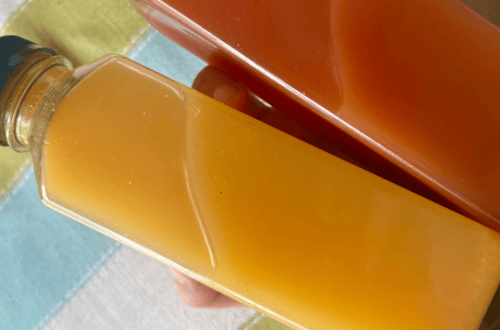
2 Easy Sweet & Spicy Slow Juicer Recipes I Made This Weekend
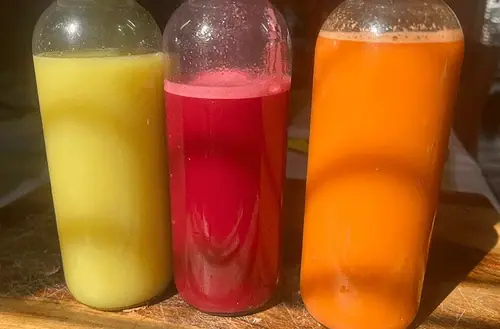
5 Cozy Fall & Winter Juices I Actually Made (And Loved)