6 Beginner Juicing Mistakes I Made So You Don’t Have To
When I first started juicing at home, I thought I had everything figured out. I bought a juicer, picked up a pile of fruits and vegetables, and imagined myself making colorful juice creations every morning.
What I didn’t expect was how much juice I would make, how much pulp I would end up with, and how many combinations would taste completely different than I expected.
The good news is that beginner juicing doesn’t have to be complicated. Here are a few mistakes I made when I was getting started, along with some simple ways to avoid them.
As an Amazon Associate, I earn from qualifying purchases.
1. Expecting Every Juice Recipe to Be Perfect
One of the biggest surprises was learning that juicing is a lot like cooking. A recipe that one person loves might not be your favorite.
Some people enjoy strong ginger flavors. Others prefer sweeter combinations with apples or pineapple. The only way to find out what you like is to experiment.
My advice? Start with simple recipes and make small adjustments. If a juice is too strong, add more apple. If it’s too sweet, try cucumber or celery.
The fun part of juicing is discovering combinations you wouldn’t have thought to try.
2. Not Having Containers Ready for Storage

This mistake caught me completely off guard.
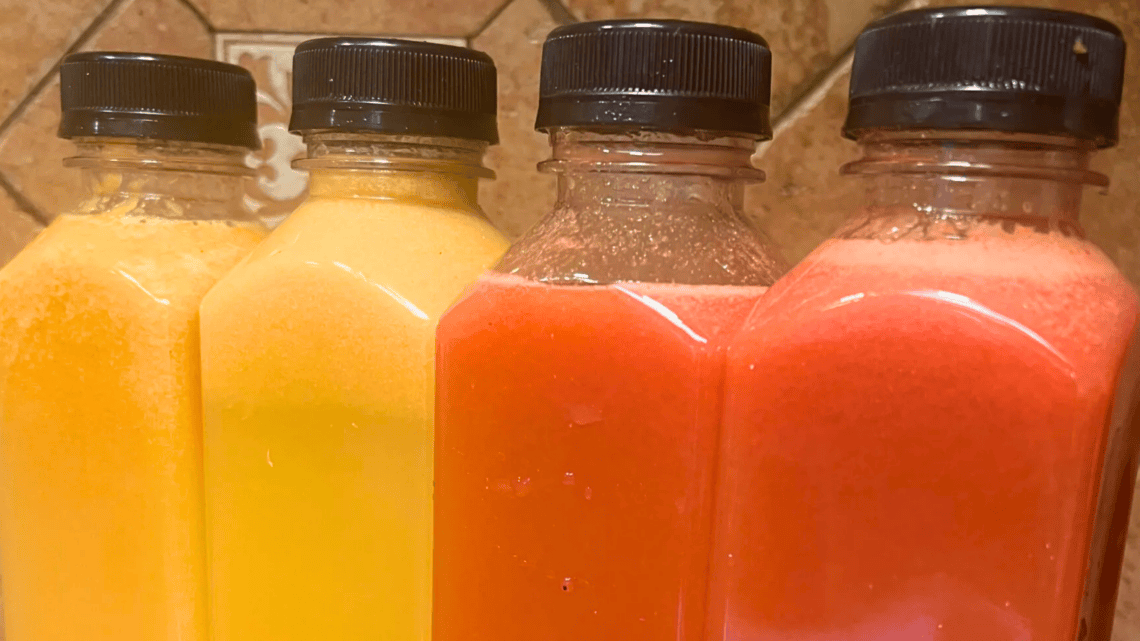
A few apples, a cucumber, and some pineapple can create a lot more juice than you expect. The first time I juiced a large batch, I realized I had nowhere to put it.
Before you start juicing, make sure you have a few storage options ready:
Fresh juice is easiest to enjoy when you can simply grab a bottle from the refrigerator.
Helpful Storage Items
Some items I personally use, others are well-reviewed picks that fit the post.
🌿 Continue Your Juicing Journey
Whether you’re just getting started or looking for your next recipe, here are a few more resources you might enjoy.
🍎 New to Juicing?
Start with my complete Juicing at Home guide.
🥤 Want another recipe?
Browse all of my favorite juice recipes.
Why Do I Love Slow Juicing
Learn the advantages of Slow Jucing
♻️ Don’t waste the pulp.
My favorite ways to use leftover juice pulp.
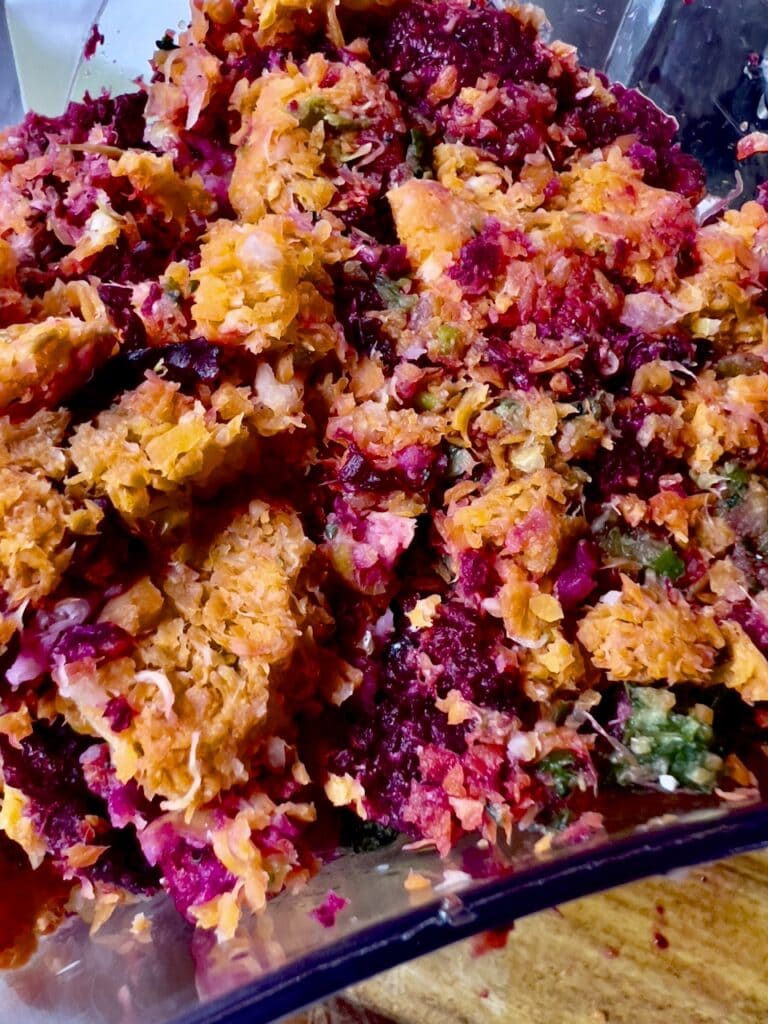
3. Throwing Away the Pulp Immediately
For weeks, I treated pulp like trash.
Then I realized there are actually several ways to use it.
Depending on the ingredients, pulp can be added to:
- Smoothies
- Soups
- Muffins
- Vegetable stock
- Compost piles
If you’re not ready to use it right away, freezing it is an easy option.
You can also check out my post on creative ways to use leftover juice pulp.
4. Not Double-Straining When I Wanted Smoother Juice
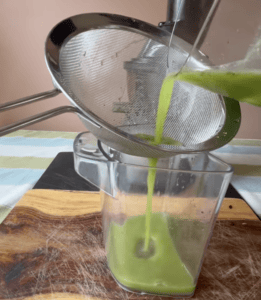
I enjoy fresh juice, but sometimes I want a smoother texture.
If your juice feels thicker than you’d like, try pouring it through a fine mesh strainer before serving. This extra step only takes a minute and can remove additional pulp that made it through the juicer.
A fine mesh strainer quickly became one of the most useful tools in my kitchen for juicing.
Helpful Tools
5. Starting With Too Many Strong Ingredients
Ginger, beets, celery, and turmeric can be wonderful ingredients, but a little goes a long way. Many beginners create a juice that is overwhelmingly strong because they use too much of one ingredient.
Instead, start small and balance stronger flavors with:
- Apples
- Pineapple
- Watermelon
- Oranges
You can always add more next time.
6. Buying Too Much Produce Before Knowing What You Like
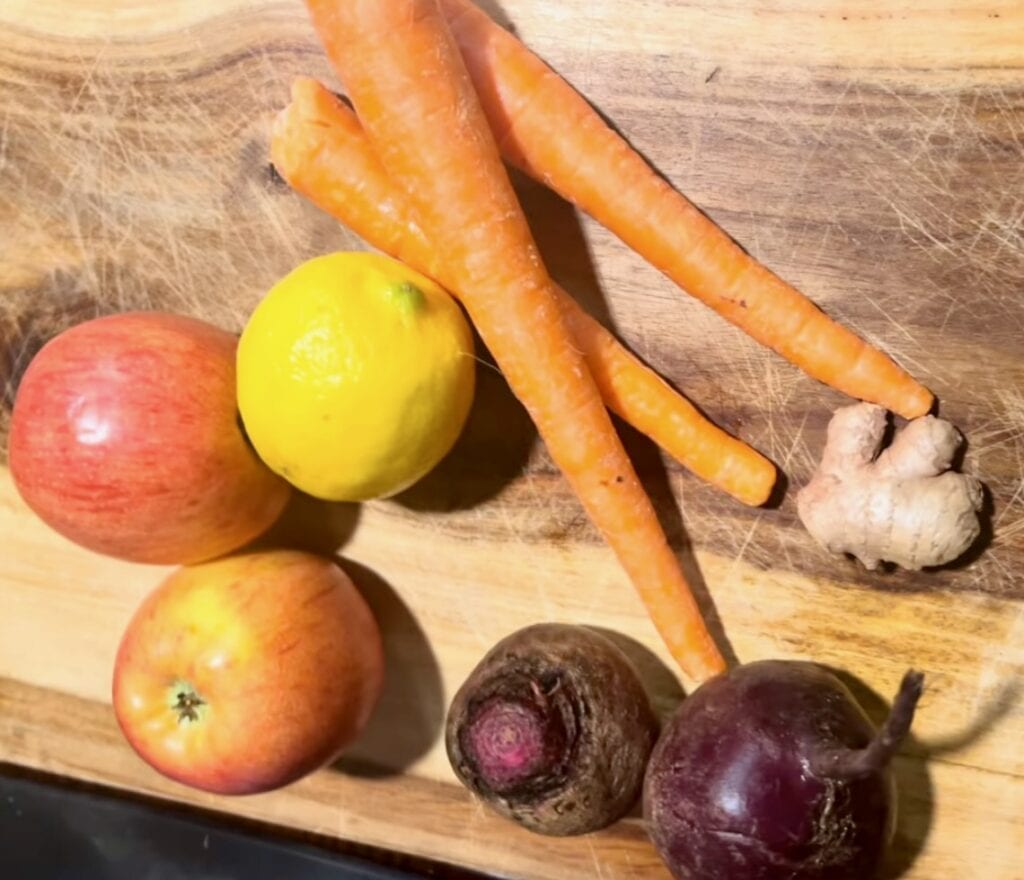
I have definitely filled my refrigerator with fruits and vegetables only to realize I wasn’t excited about half of them.
When you’re new to juicing, buy smaller quantities and test recipes first.
Once you discover your favorite combinations, stocking up becomes much easier.
This approach saves money and reduces food waste.
Beginner Juicing Essentials
If you’re just getting started, these are the items that make juicing easier:
- A reliable juicer
- Glass storage bottles
- Mason jars
- Fine mesh strainer
- Produce storage containers
- Cutting board
- Sharp knife
- Glass pitcher
You don’t need every gadget on day one. A few basic tools and some simple ingredients are enough to get started.
New to Juicing? Read These Next
- Juicing at Home: Cozy, Beginner-Friendly Juice Recipes
- Creative Ways to Use Leftover Juice Pulp
- 2 Easy Sweet & Spicy Slow Juicer Recipes I Made This Weekend
More Redcypress Finds


More Practical Guides & Ideas


Final Thoughts
The biggest thing I’ve learned about juicing is that there is no perfect recipe.
If you’re new to juicing, don’t overthink it. Start simple, keep a few storage containers handy, and give yourself permission to experiment.
You might be surprised by how quickly you discover combinations you genuinely look forward to making again.
Lisa Thompson
 Hi, I'm Lisa, a software engineer, photographer, and creator behind Redcypress Designs. I share practical home solutions, beginner-friendly juicing tips, cozy living ideas, Pinterest experiments, and products that solve real everyday problems. Most of the projects, recipes, and reviews on this site come from my own experiences, testing, and occasional mistakes.
You May Also Like

Starter Juice Recipes That Actually Taste Good
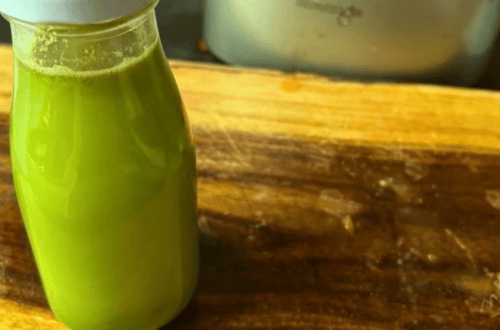
Juice Recipe: Minty Green Glow