The Case for Slow Juicing: More Nutrients, Less Fuss
Let me start by saying: I used to think all juicers were the same. If it turned fruit into liquid and didn’t explode, it was fine by me. That is, until I met the slow juicer.
Slow juicing (also called cold press or masticating juicing) changed the way I think about homemade juice. It’s not just a trendy kitchen gadget—it’s a smarter way to get more nutrients out of what you already buy, with less waste and more flavor. If you’re just getting started, I put together a simple beginner juicing guide here.
What Is Slow Juicing?
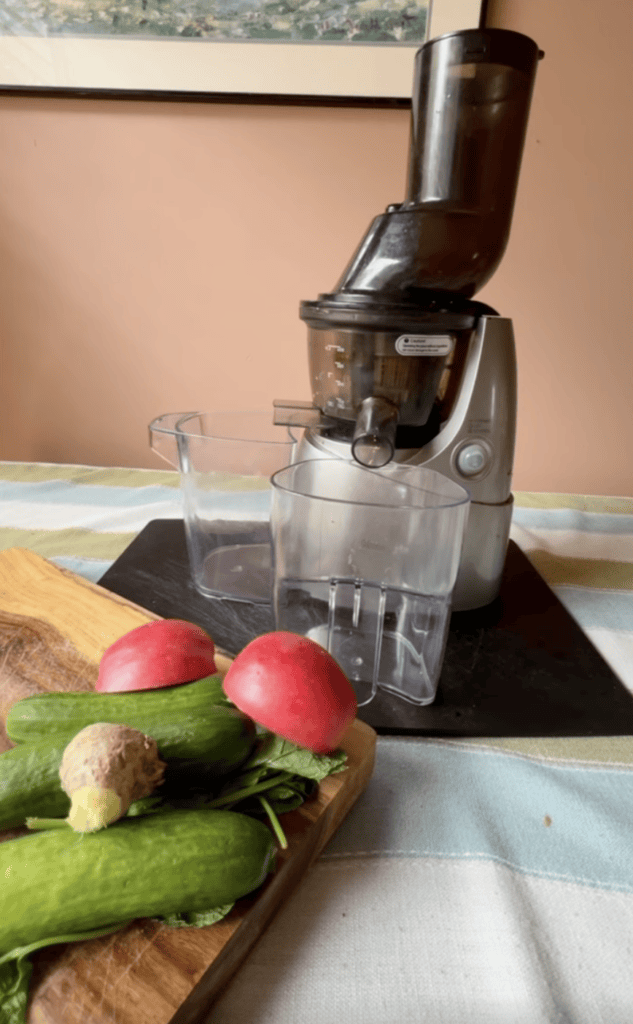
Unlike fast (centrifugal) juicers that use high-speed spinning blades, slow juicers press and squeeze your produce at a low speed. It’s kind of like how you’d wring out a washcloth—gently but thoroughly.
This slower process may take a few extra minutes, but what you get is worth every second.
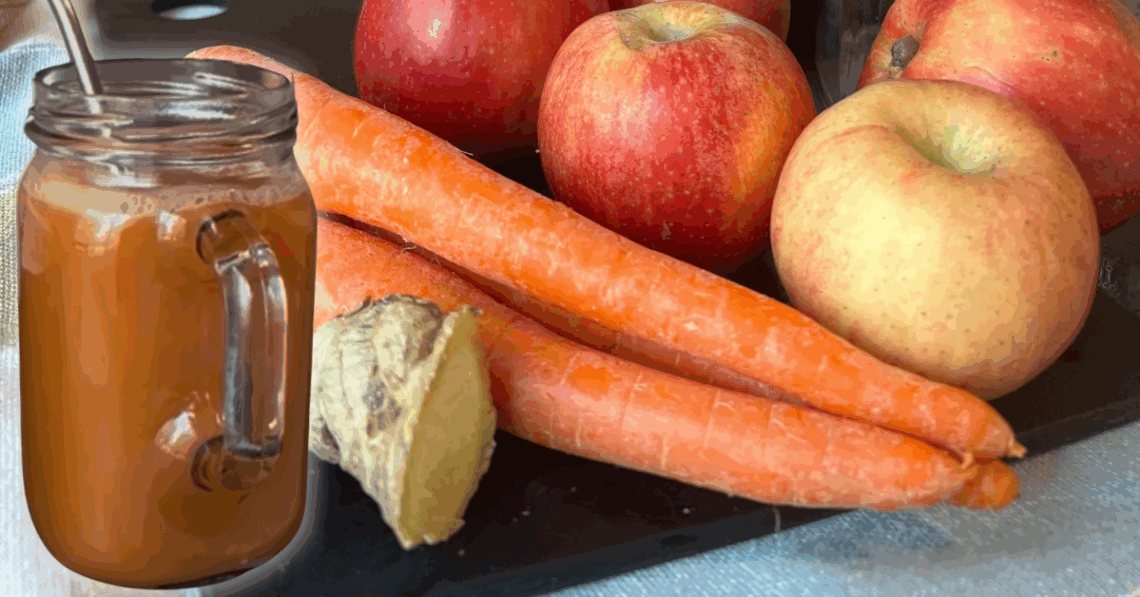
Here’s a quick video of me making my favorite spicy ginger & carrot juice.Watch on YouTube or check it out below:
🌿 Continue Your Juicing Journey
Whether you’re just getting started or looking for your next recipe, here are a few more resources you might enjoy.
🍎 New to Juicing? Read My Guides
Why Slow Juicing Wins
1. More Nutrients, Less Heat
Fast juicers generate heat, which can break down some nutrients and enzymes. Slow juicers keep things cool, helping preserve more of the good stuff—like vitamin C and antioxidants.
2. Longer Shelf Life
Because the juice oxidizes less, it lasts longer in the fridge. That means you can make a batch and sip on it for a couple of days without it tasting weird or turning brown.
3. Higher Juice Yield
Slow juicers extract more juice per ingredient. That means fewer oranges, apples, or leafy greens to buy over time—and more juice from what you do use.
4. Quieter Operation
No airplane-engine sounds here. Slow juicers are much quieter, which I appreciate when I’m not trying to startle the neighbors at 7 a.m.
5. Leafy Greens? No Problem.
Kale, spinach, herbs—slow juicers handle them beautifully. With a fast juicer, you sometimes end up with barely any liquid and a lot of regret.

Real-Life Perks
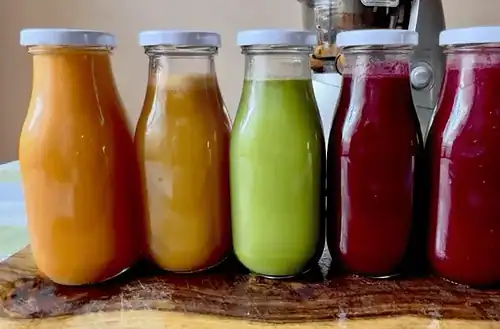
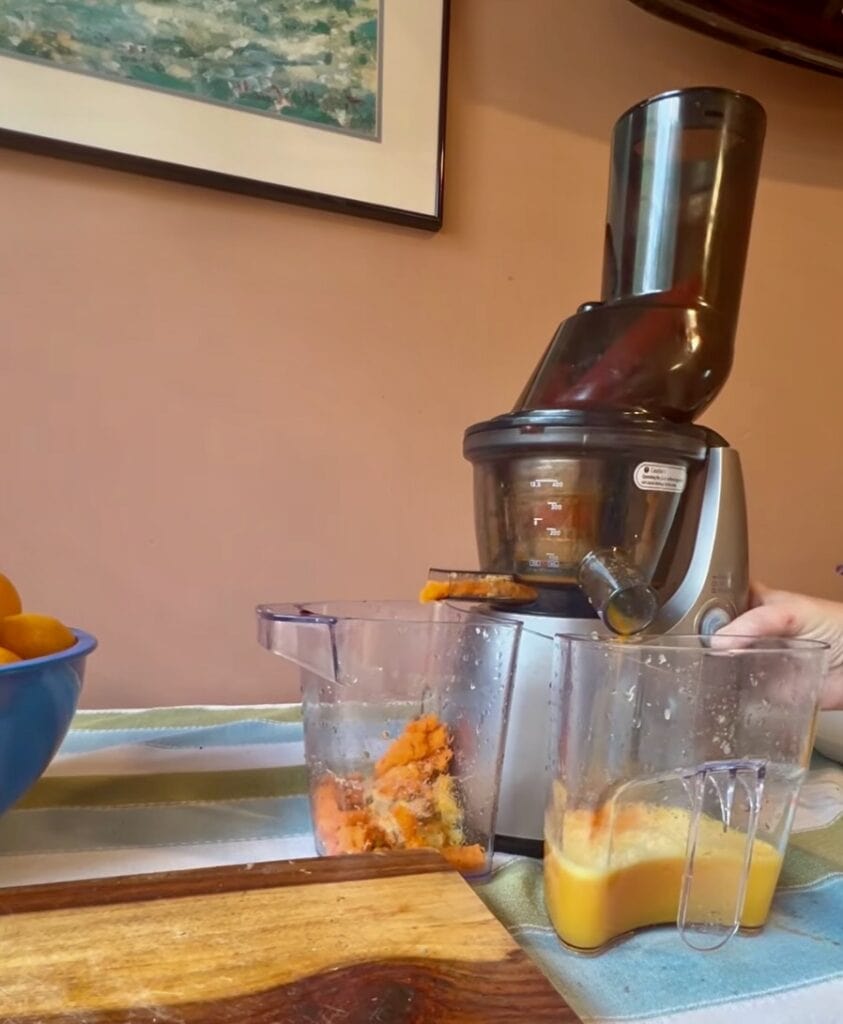
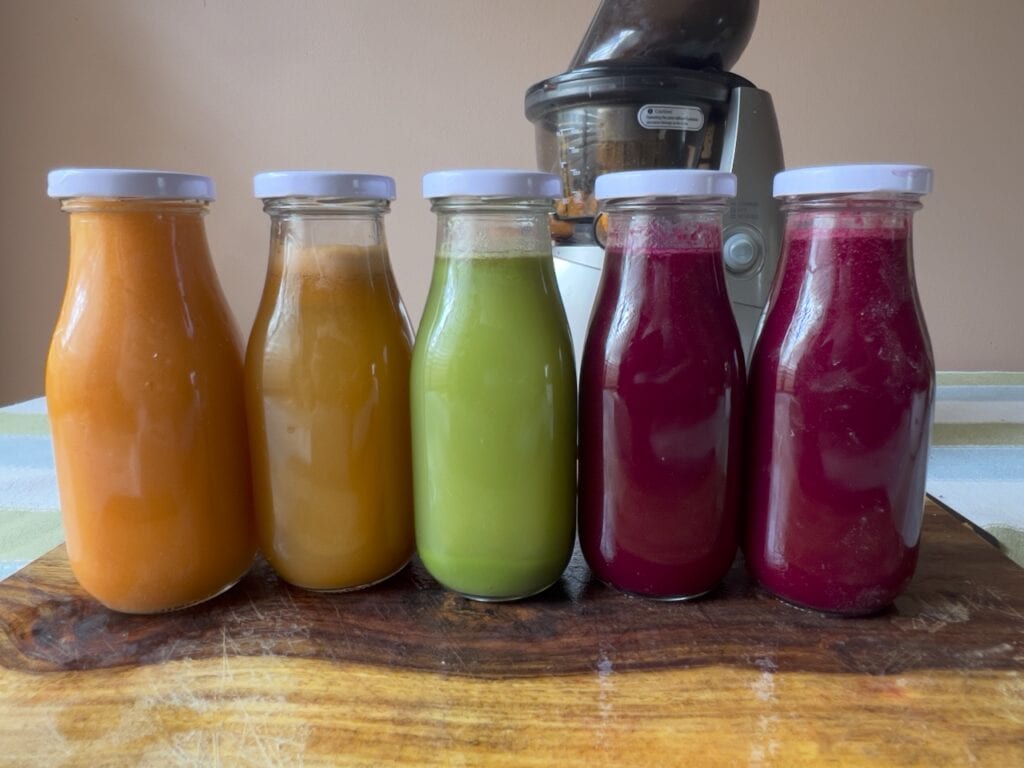
Batch Prep Made Easy: I make a few jars at a time and store them in the fridge in glass bottles.
Use That Pulp: The leftover pulp makes a great base for veggie broth, crackers, or even compost if you’re feeling crunchy.
Cleanup Isn’t Bad: Some models are surprisingly easy to rinse and assemble. (Pro tip: clean it right away. It’s way easier.)
My Setup
As an Amazon Associate, I earn from qualifying purchases.
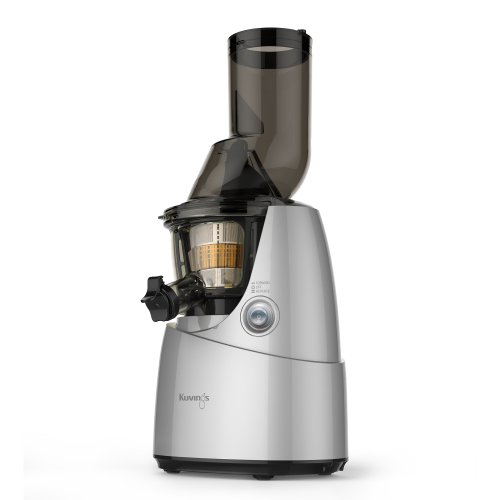
I’ve been using the Kuvings Whole Slow Juicer B6000S since 2014 (yep—over a decade now!), and it’s still going strong. It’s a cold press juicer that runs at just 60 RPMs, which means it extracts juice gently without heat or foam. It’s BPA-free, surprisingly easy to clean, and comes with a blank strainer too (great for making sorbet-style fruit purées).
This model is a bit of an investment, but after years of service and countless carrots, apples, and kale leaves, I can say without hesitation: it’s worth every penny.
Tips for Getting Started
Start simple: Try apple-carrot-ginger or cucumber-celery-lemon
Use fresh, washed produce—organic if possible.
Store your juice in airtight glass bottles and drink within 2–3 days.
Final Thoughts
Slow juicing isn’t about adding time to your routine—it’s about making the time you do spend more intentional, more flavorful, and more rewarding. It’s juicing, but smarter. If you’re curious to try it, start with what you have—or look for a good entry-level cold press juicer. You might just get hooked. Read my beginner friendly jucing recipes.
Lisa Thompson
 Hi, I'm Lisa, a software engineer, photographer, and creator behind Redcypress Designs. I share practical home solutions, beginner-friendly juicing tips, cozy living ideas, Pinterest experiments, and products that solve real everyday problems. Most of the projects, recipes, and reviews on this site come from my own experiences, testing, and occasional mistakes.
You May Also Like

Juice Recipe: Tropical Beet Glow
Sip Into Fall: 5 Cozy Slow Juicer Recipes for the Season