
FSA & HSA Wellness Tools: Practical Picks for Everyday Health
Shopping with your FSA or HSA can get confusing quickly. A blood pressure monitor, an eye massager, a red light mask—what actually qualifies, and which products would you use beyond the first week?
This guide brings together practical tools for at-home health monitoring, eye care, and pain relief, along with the eligibility questions worth checking before you buy. Some are products I use; others are options to consider based on your own needs.
One important distinction: a product isn’t automatically eligible because it’s marketed for “wellness.” The exact device, its medical purpose, and any required documentation matter.
My goal is to help you find something useful, rather than another gadget that eventually moves into the miscellaneous drawer.
Always check your specific plan for eligibility.
This post contains affiliate links. As an Amazon Associate, I earn from qualifying purchases.
Pain Relief & Tension Tools
Hours at a desk can leave you ready to close the laptop and give your shoulders a resignation letter. Eye masks and massage devices are a few options to explore when putting together an at-home comfort routine.
Before using FSA or HSA funds, check the exact product and any documentation requirements. General relaxation alone doesn’t automatically make a device eligible.
Heated Eye Masks & Eye Massagers
Great for screen fatigue, sinus pressure, and general end-of-day decompression.
If you spend hours on a computer, the difference is noticeable. The gentle heat helps relax facial muscles and relieve tension that builds up from screen strain.
I wrote a full breakdown of the eye massager I use regularly here.
Neck & Back Massagers
Heat + targeted tension relief.
If you sit at a desk, drive long hours, or carry stress in your shoulders, this category becomes less of a “luxury” and more of a practical recovery tool.
Many neck and back massagers qualify under FSA because they’re categorized as pain relief devices. That makes them one of the most realistic ways to use healthcare funds before they expire.
If you want to see how I combine these with red light therapy in my routine, I break that down here.

Foot Massagers
If you’re on your feet a lot, this feels less like indulgence and more like recovery.
Foot massagers are often overlooked, but for teachers, retail workers, healthcare professionals, or anyone standing all day, they can provide real relief.
Like other recovery devices, certain models qualify as FSA eligible wellness tools when categorized as pain management or therapeutic equipment.
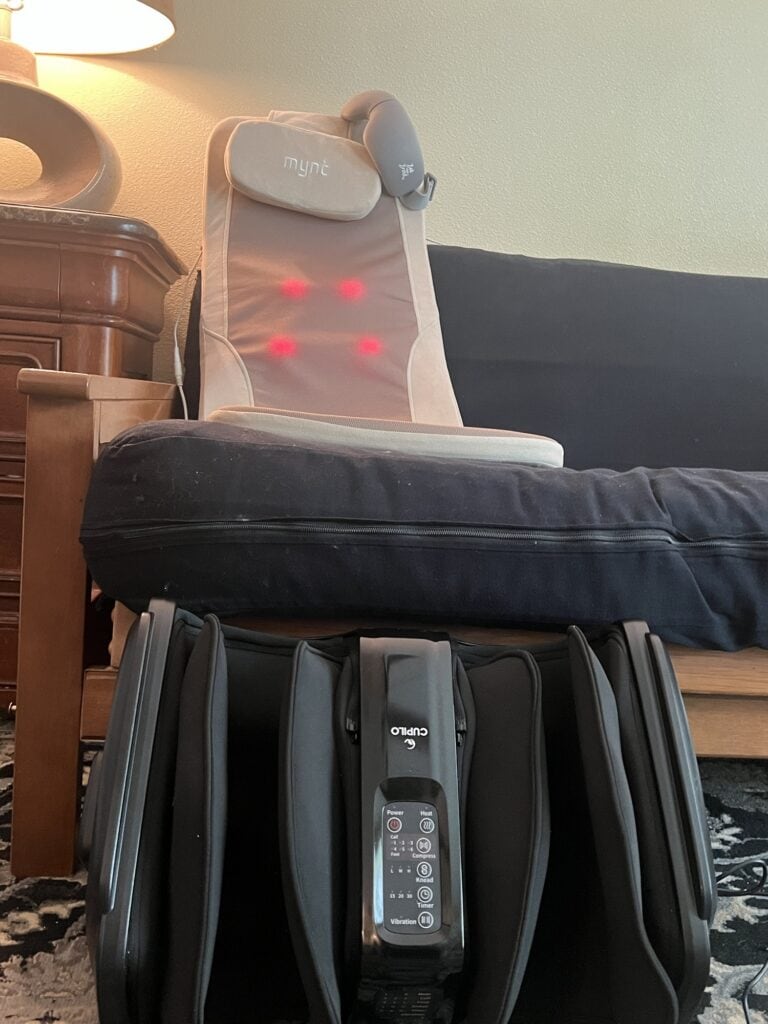

Eye Massager

Back Massager

Foot Massager
A heated and cooling eye massager that’s FSA eligible? I didn’t expect to love it — but for migraines, dry eyes, and screen headaches, this one is surprisingly good.

Excerpt: This simple end-of-the-workday routine helps me transition from software developer mode to relaxing at home. Here are the products and habits I use every evening.
At-Home Health Devices
Monitoring at home can reveal patterns you might otherwise ignore.
Devices like wrist blood pressure monitors are often FSA eligible and can help you notice consistent trends — not just one-off readings. I wrote more about that here.
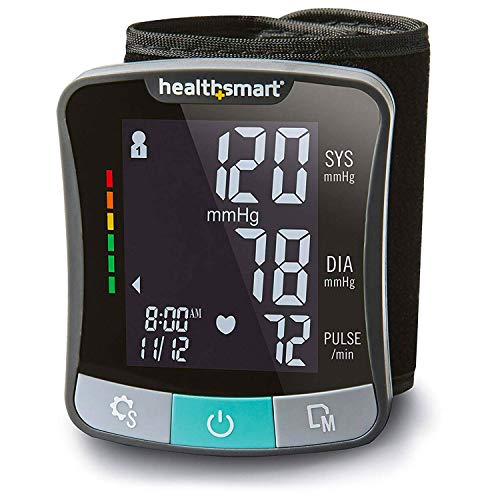

Taking my blood pressure with a traditional arm cuff has always been uncomfortable. This FSA-eligible wrist monitor is a much easier, more comfortable alternative.
Skin Health & Red Light Therapy
This is where “self-care” meets actual tools.
Red light therapy devices are often categorized as wellness or skin-support technology — and many qualify depending on plan guidelines.
I use mine for two reasons:
- Skin consistency
- Forced stillness (10 minutes without scrolling)
It’s not glamorous. It looks slightly sci-fi. But it’s practical.

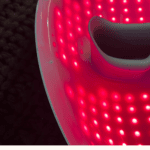
Some LED face masks may be FSA- or HSA-eligible, but not every mask qualifies. Here’s how to check eligibility, what to look for before buying, and how to make sure the exact device you choose is covered.
Health Tracking & Body Monitoring
You don’t need a bathroom full of gadgets to keep track of your health. A few useful tools can make it easier to record readings at home and bring more helpful information to your next appointment.
Start with what you actually need to monitor. The most useful device is one you’ll use consistently, understand, and know what to do with the results. It’s information.
Smart Scales
If you’re already tracking health metrics, using pre-tax dollars makes more sense than paying out of pocket.

Everyday Prevention: The Basics You’ll Actually Use
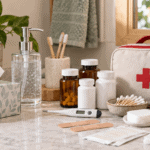
Not every useful health purchase needs batteries or a Bluetooth connection. Sometimes it’s sunscreen by the front door, SPF lip balm in your bag, or first-aid supplies you’re glad you restocked.
These everyday essentials are easy to overlook when a shiny new gadget is involved. Before adding something new to your cart, check what you already use, what’s running low, and whether the exact product qualifies for FSA or HSA spending.


Sun protection doesn’t have to be complicated. These are practical SPF essentials I keep in rotation — easy-to-use options for lips, hands, and everyday reapplication. Small upgrades that make a difference over time.
Before You Buy With Your FSA or HSA
A retailer’s eligibility label is a useful starting point, but it doesn’t replace checking the requirements for your purchase.
Before checking out:
- Confirm the exact model and product variation.
- Check whether a prescription or Letter of Medical Necessity is required.
- Save an itemized receipt and any supporting documentation.
- If you have an FSA, check your plan’s spending deadline and any carryover or grace-period provisions.
HSA balances carry forward from year to year, so there’s no year-end deadline to spend the balance.
Need help navigating Amazon? Read my guide to checking FSA/HSA eligibility before you shop.
More Specific Roundups
More Redcypress Finds

More Practical Guides & Ideas


My Updated FSA Wellness List
If you want to see the exact products I’ve researched or personally use, I keep them organized here:
This post contains affiliate links. As an Amazon Associate, I earn from qualifying purchases.
Final Thoughts
The goal isn’t to “treat yourself.”
The goal is to use your healthcare funds intentionally.
Stress relief.
Prevention.
Health tracking.
Skin consistency.
Calm systems > panic spending.
Lisa Thompson
 Hi, I'm Lisa, a software engineer, photographer, and creator behind Redcypress Designs. I share practical home solutions, beginner-friendly juicing tips, cozy living ideas, Pinterest experiments, and products that solve real everyday problems. Most of the projects, recipes, and reviews on this site come from my own experiences, testing, and occasional mistakes.
You May Also Like
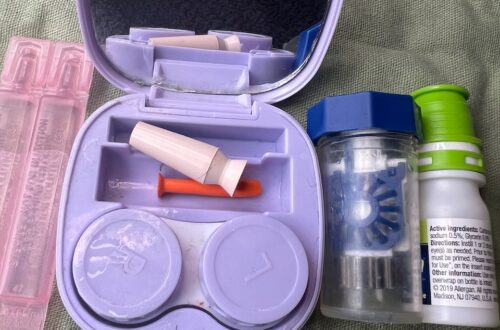
The Perfect Duo for Contact Lens Wearers: My Go-To Travel Case & Eye Drops
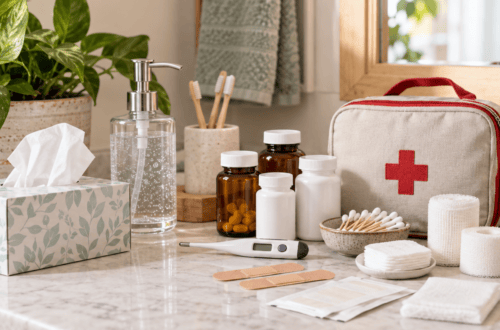
What to Buy With Your FSA Before It Expires: Useful Things You’ll Use
