My Low-Stress Night Routine (Using FSA-Eligible Tools I Actually Use)
Some nights I don’t need productivity.
I need my nervous system to calm down. Not a spa day. Not a 12-step routine.
Just a simple reset after staring at screens, sitting at a desk, and carrying tension in my shoulders all day.
Over time, I’ve built a low-stress night routine using FSA-eligible tools that I actually use — not ones that collect dust in a drawer. If you’re looking for the full 2026 list of FSA-eligible items on Amazon, start here.
This is what that looks like.
Step 1: Turn Off the Big Lights
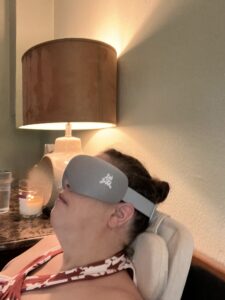
Before I touch any wellness tools, I change the lighting.
Overhead lights off.
Warm lamp on.
It sounds small, but it signals to my brain that the day is ending.
Lower light = lower stimulation.
Step 2: Heated Eye Mask (10–15 Minutes)
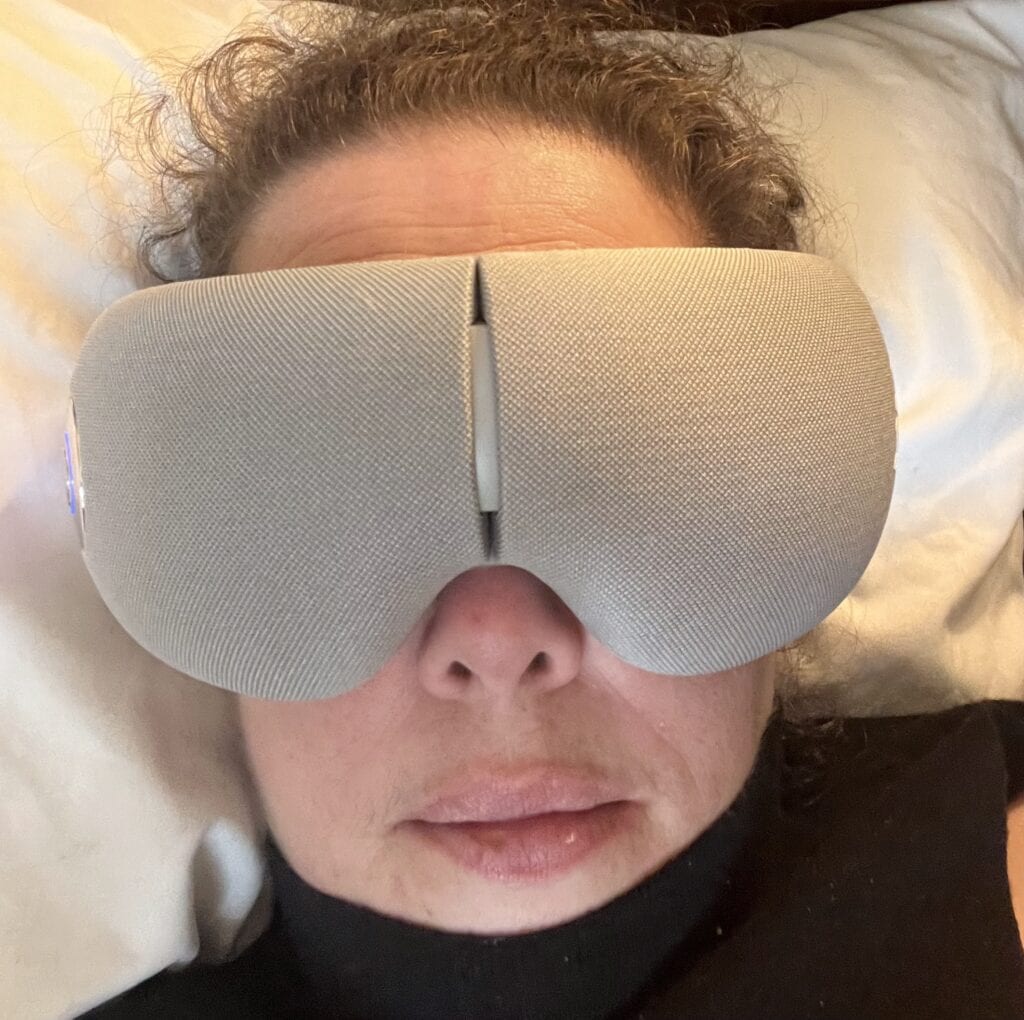
If I’ve had a screen-heavy day, this is the first thing I reach for.
A heated eye mask or eye massager helps with:
Screen fatigue Sinus pressure Tension headaches That tight feeling behind your eyes
I’ll lay back for 10–15 minutes and just let my eyes fully relax.
I wrote a full breakdown of the eye massager I use and why it’s worth it, but this is the part that makes the biggest difference in my routine.
This one tool alone feels like a nervous system reset.
Step 3: Neck or Shoulder Heat
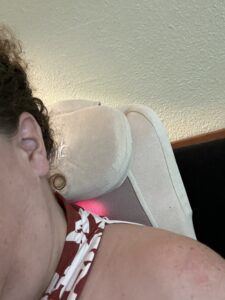
Desk tension is real.
On nights when my shoulders feel tight, I’ll use:
- A heated neck wrap
- A neck massager
- Or a simple heating pad across my upper back
Nothing complicated. Just heat and stillness.
This is where I feel the shift from “mentally tired” to “physically relaxed.”
If you sit at a desk or carry stress in your shoulders, this step matters more than you think.
Step 4: Foot Massager (Optional but Amazing)
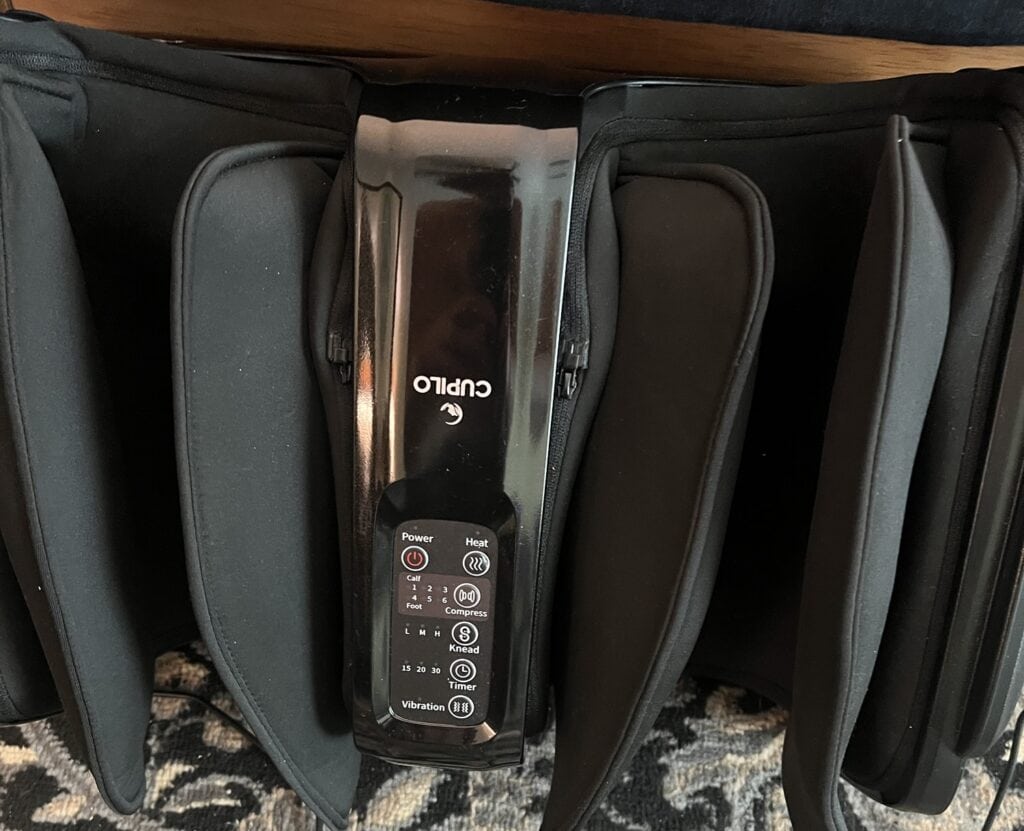
If I’ve been on my feet a lot — or just feel generally overstimulated — a foot massager helps ground everything.
It sounds dramatic, but relaxing your feet can calm your whole body.
It turns stress relief into something physical instead of mental.
And yes — there are FSA-eligible options for these types of recovery tools.
Step 5: Calm, Low-Stimulation Activity
Once my body isn’t holding tension, I don’t want to scroll. Scrolling wakes my brain back up.
Instead, I’ll play something low-stimulation — usually a cozy game like Cast n Chill.
No chaos. No competitive stress. Just soft music and repetitive rhythm.
If you want the full breakdown of my cozy gaming setup (what I play + what I eat), I shared that here: Cozy Gaming Night In: What I Play + What I Eat
This part isn’t about productivity.
It’s about keeping my nervous system calm before bed.
More Health Articles & Guides


More Practical Guides & Ideas

Why I Use FSA for This
I used to think FSA funds were only for doctor visits or prescriptions.
But stress shows up physically.
Tight shoulders Head pressure Jaw tension Screen fatigue
If I can use pre-tax dollars on tools that help me manage that at home — that’s practical.
Not indulgent. Practical.
If you’re new to how FSA works, I break down the difference between FSA vs HSA availability here.
And if you want a broader list, I also have a full roundup of FSA-eligible wellness tools that fit into daily life.
This Isn’t a Spa Routine
It’s 20–30 minutes.
Heat. Stillness. Lower light.
Something calm afterward.
That’s it.
Low effort. Low stimulation.
Repeatable.
And honestly? That’s what makes it sustainable.
My Essential Self-Care Tech Products

FSA LED Face Mask Light Therapy

BOB AND BRAD EYEFLOW Eye Massager with Heat & Cooling

Shiatsu Neck and Back Massager with Heat, Neck and Shoulder Massager
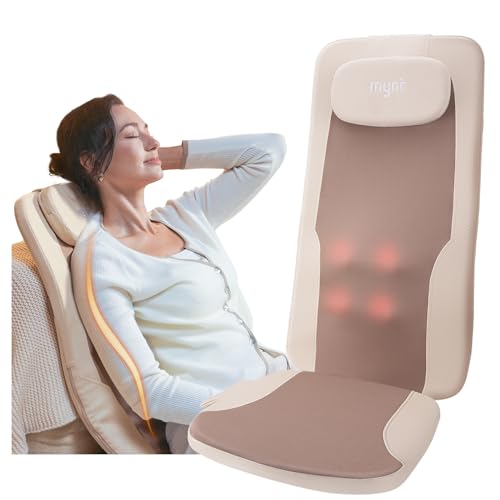
Back Massager

Shiatsu Foot Massager with Heat
Lisa Thompson
 Hi, I'm Lisa, a software engineer, photographer, and creator behind Redcypress Designs. I share practical home solutions, beginner-friendly juicing tips, cozy living ideas, Pinterest experiments, and products that solve real everyday problems. Most of the projects, recipes, and reviews on this site come from my own experiences, testing, and occasional mistakes.
You May Also Like
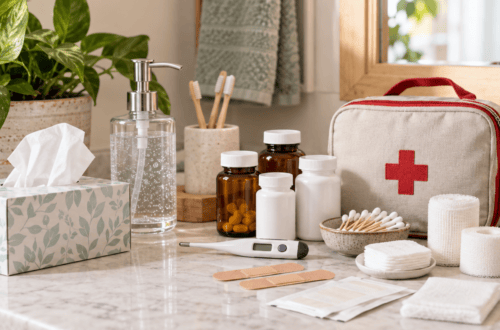
What to Buy With Your FSA Before It Expires: Useful Things You’ll Use

I’m Finally Starting to Take Care of My Skin — A Simple Routine